Home › Shop by Concern › Anti-Aging & Skin
Concern · Anti-Aging & Skin
Collagen, skin repair & cosmetic research peptides.
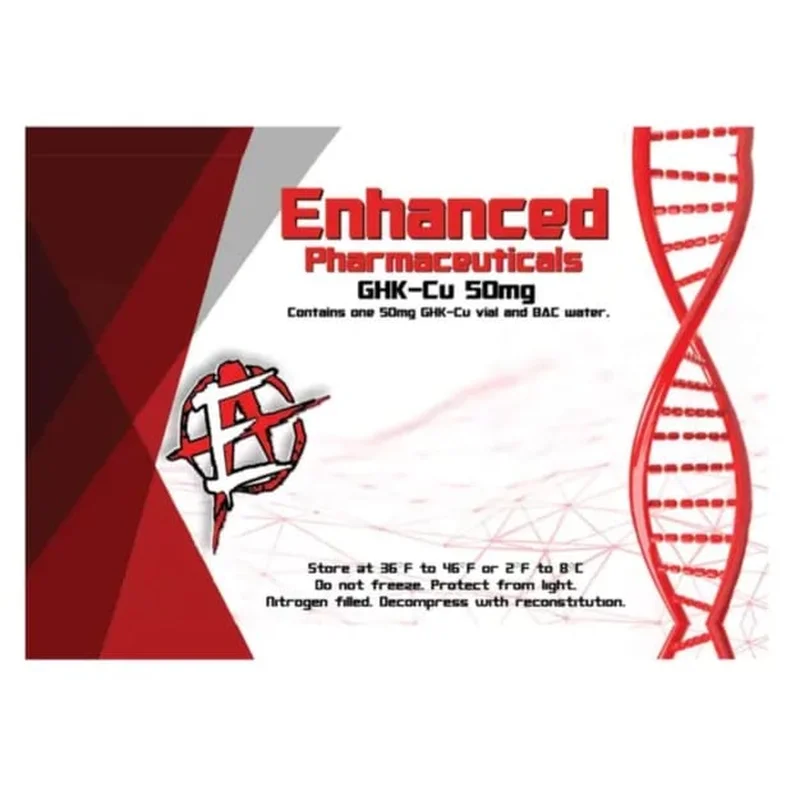
GHK-Cu (copper tripeptide-1) is the most-referenced peptide in skin research — documented for collagen synthesis, wound healing and antioxidant activity. Naturally present in human plasma, its levels decline sharply with age.
GHK-Cu listings
Copper tripeptide from verified manufacturers.



Why this concern
GHK-Cu is a naturally occurring copper-binding tripeptide (Gly-His-Lys) bound to copper(II). Plasma GHK levels in humans decline from ~200 ng/mL at age 20 to ~80 ng/mL by age 60, paralleling the decline in regenerative capacity. Research literature documents activation of collagen I, III and V genes, fibroblast proliferation, wound-healing acceleration, and copper-delivery-mediated antioxidant effects. Read the full GHK-Cu guide →
GHK-Cu is widely referenced in cosmetic-peptide literature and used in topical and injectable research protocols. For in-vitro research and laboratory use only — dosing ranges, reconstitution protocols and storage notes are covered in the guide.
Research Blog
Learn before you buy
Mechanism, literature dosing ranges and storage.
Peptide Guide
GHK-Cu: Copper Peptide Research Overview
Collagen activation, wound healing and antioxidant research — what the literature reports on the copper tripeptide.
Read guide →Foundations
Types of Peptides — A Map of the Six Classes
Where cosmetic peptides sit in the broader landscape — healing, growth, metabolic, cognitive, mitochondrial.
Read guide →Foundations
What Are Peptides? A Plain-English Introduction
New to research peptides? Start here — what they are, why researchers care.
Read guide →For in vitro research and laboratory use only. Not for human or veterinary consumption. Not intended to diagnose, treat, cure, or prevent any disease.