Home › Shop by Concern › Fat Loss & Metabolic
Concern · Fat Loss & Metabolic
Metabolic, weight & visceral-fat research peptides.
The most-studied metabolic peptides span three distinct mechanisms — triple-receptor co-agonism (Retatrutide), mitochondrial signalling (MOTS-C) and GH-axis visceral-fat reduction (Tesamorelin). Each targets a different lever in energy balance research.
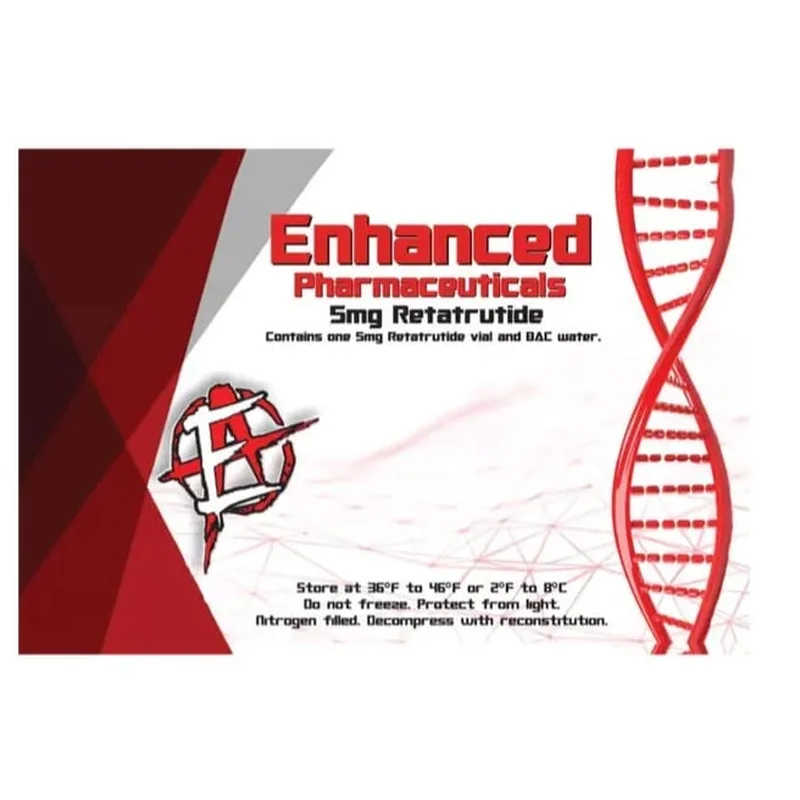
Retatrutide listings
Triple agonist (GLP-1 / GIP / GcgR) — metabolic research.


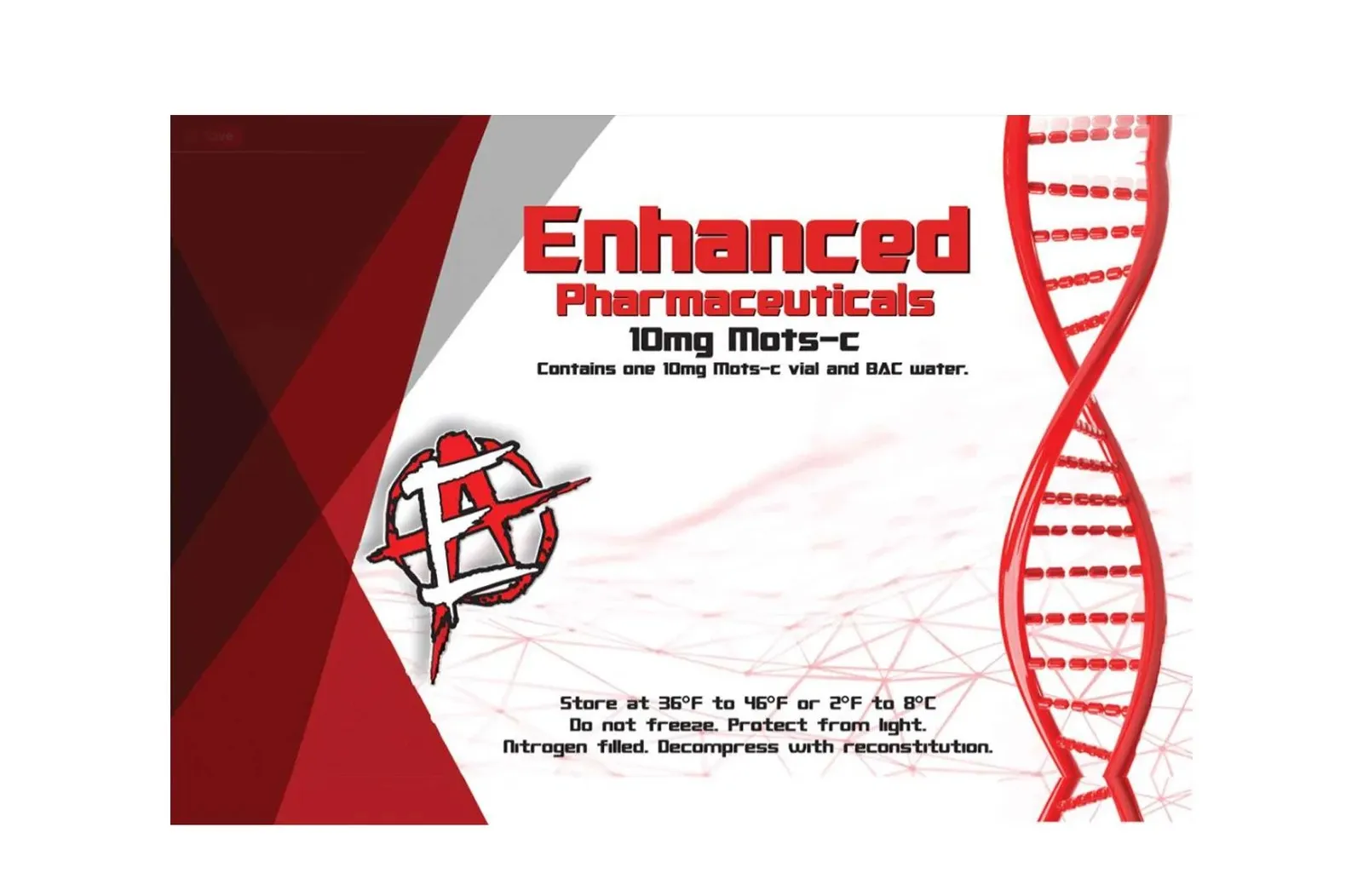
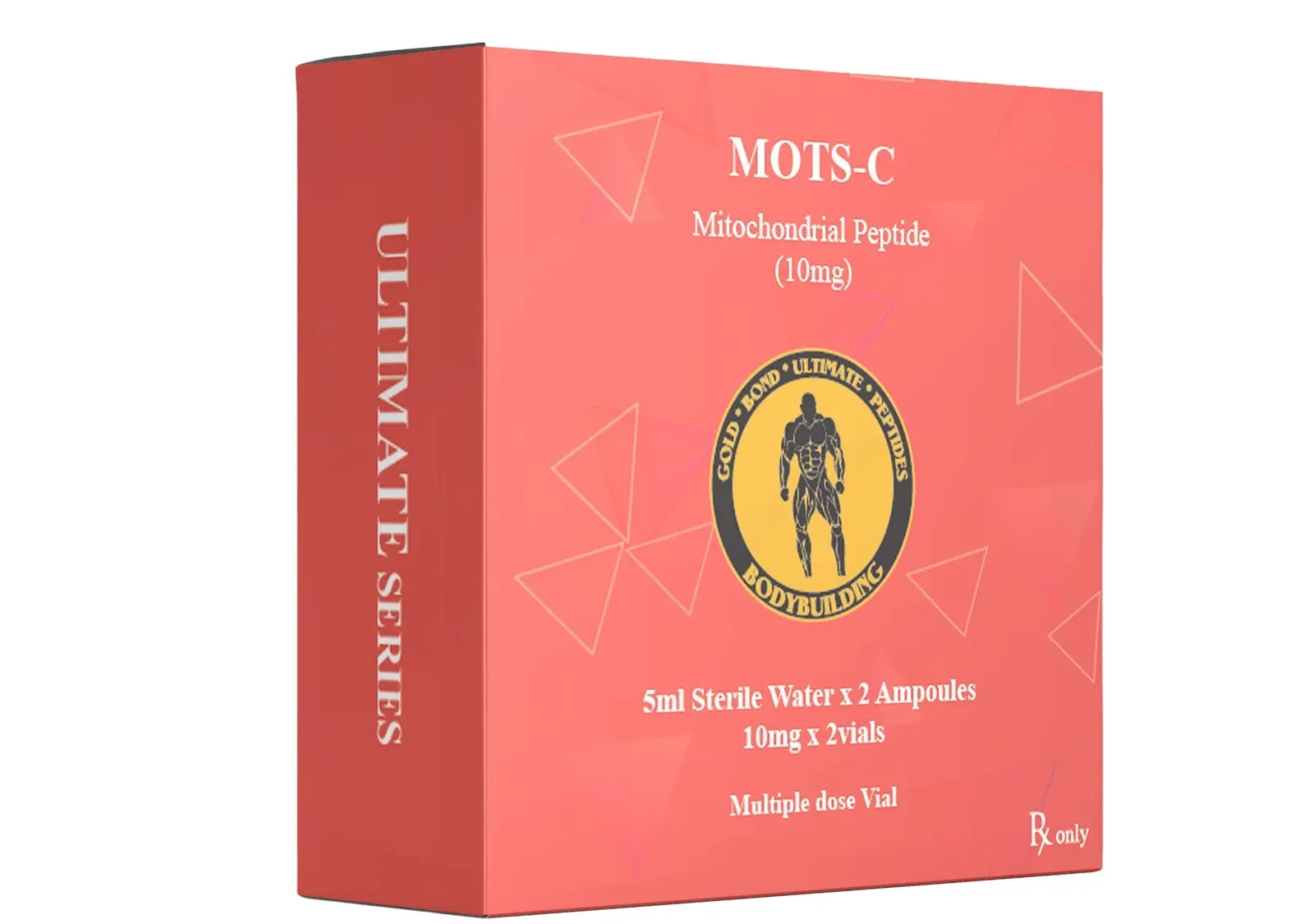
MOTS-C listings
Mitochondrial-derived peptide — AMPK activation research.
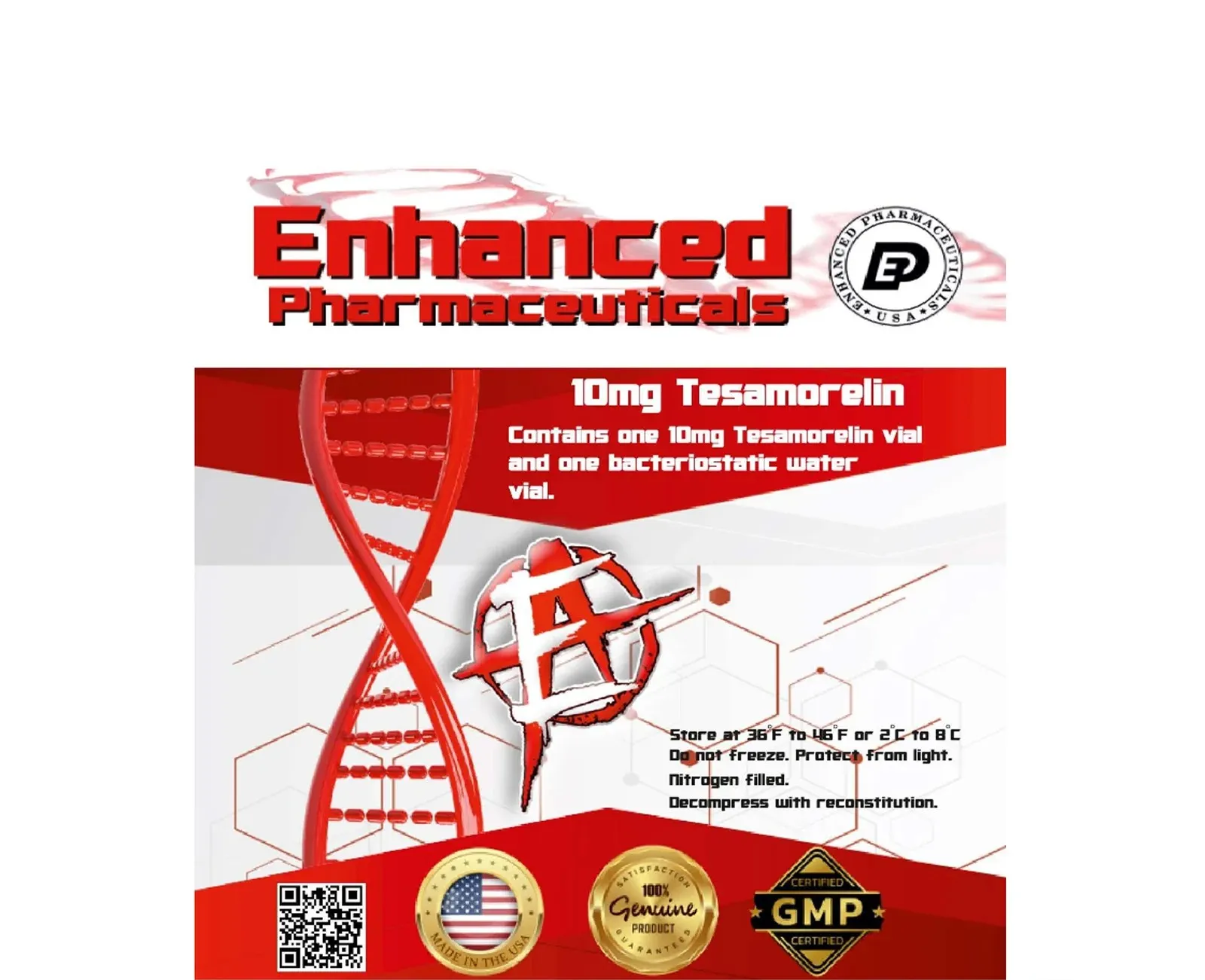
Tesamorelin listings
FDA-approved GHRH analogue — visceral fat research.
Why this concern
Retatrutide is a novel triple agonist targeting GLP-1, GIP and glucagon receptors simultaneously. Phase II trial data (Jastreboff et al., NEJM 2023) reported up to 24.2% body-weight reduction at 48 weeks at the highest dose — the largest reduction yet observed in a weight-focused trial. Read the full Retatrutide guide →
MOTS-C is a mitochondrial-derived peptide (16 amino acids) that activates AMPK, enhances insulin sensitivity and is being researched as an exercise mimetic. Lee et al. (Cell Metabolism 2015) and Reynolds et al. (Nature Communications 2021) describe its metabolic signalling profile. Read the full MOTS-C guide →
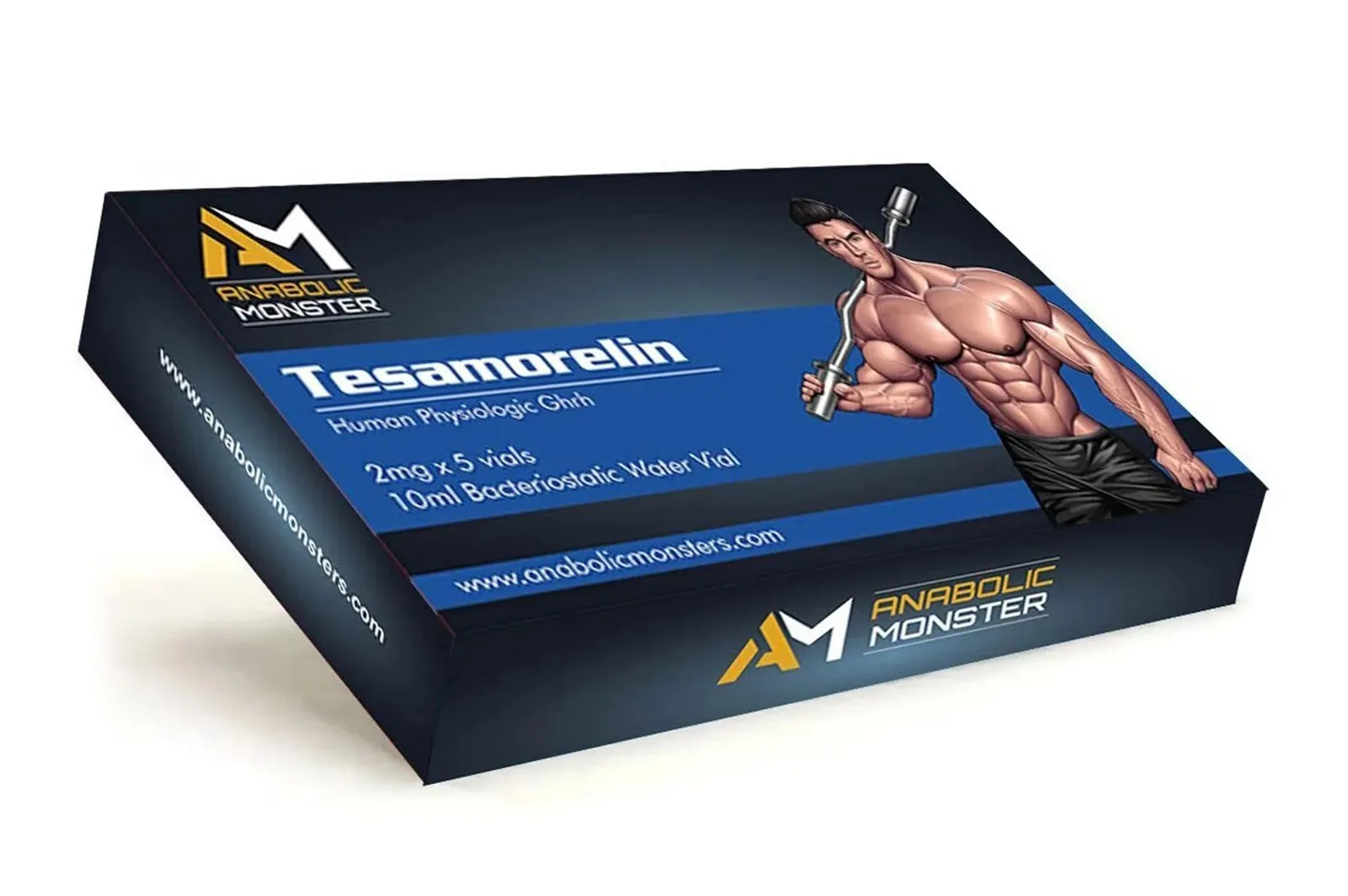
Tesamorelin is an FDA-approved GHRH analogue (Egrifta, 2010) specifically indicated for HIV-associated visceral adipose tissue reduction. Falutz et al. (NEJM 2010) reported 15.2% trunk-fat reduction in Phase III. Read the full Tesamorelin guide →
Research Blog
Learn before you buy
Mechanism, literature dosing ranges and trial data.
Peptide Guide
Retatrutide: The Triple Agonist Changing Metabolic Research
Phase II trial data, triple GLP-1/GIP/GCG mechanism explained, and what 24% weight reduction means for the field.
Read guide →Peptide Guide
MOTS-C: Mitochondrial-Derived Peptide Research
AMPK activation, insulin sensitisation and exercise-mimetic research — what Lee 2015 and Reynolds 2021 report.
Read guide →Peptide Guide
Tesamorelin: FDA-Approved GHRH Analogue
Egrifta approval, HIV lipodystrophy data and visceral adipose tissue reduction in Phase III.
Read guide →For in vitro research and laboratory use only. Not for human or veterinary consumption. Not intended to diagnose, treat, cure, or prevent any disease.