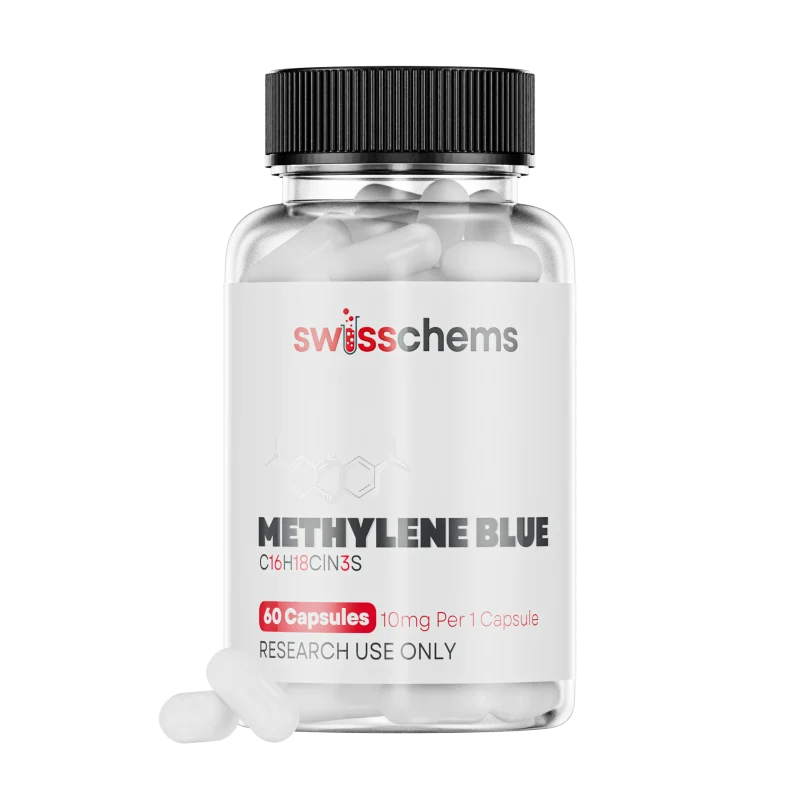
Methylene Blue (USP) - SwissChems - 60 capsules × 10mg
Buy Methylene Blue 60 caps in India - SwissChems Research Grade
Methylene Blue - Mitochondrial Electron Carrier
→ View Methylene Blue buying guide for IndiaMethylthioninium chloride (C₁₆H₁₈ClN₃S) - phenothiazine dye that acts as an alternative electron carrier in the mitochondrial electron transport chain. Studied for cognitive and mitochondrial research.
Order this product
Factory-sealed bottle of 60 capsules / bottle. Ready for immediate dispatch.
🚚 Pan-India delivery / Cash on Delivery available
Why SwissChems for Methylene Blue?
SwissChems, the Methylene Blue option
Oral capsule format, no reconstitution required.
- Pre-measured oral capsules instead of injectable vials, eliminating reconstitution and injection workflow.
- Stocks niche oral compounds like Methylene Blue, SLU-PP-332 and oral TB-500 not commonly available in capsule form.
- Best fit for researchers running oral-route protocols or comparing oral vs subcutaneous bioavailability.
Comparing brands? See all Methylene Blue listings on the Methylene Blue in India hub, or browse our full peptide catalog in India.
Why researchers reach for Methylene Blue
Mitochondrial electron carrier
Donates electrons to cytochrome c at low doses - supporting ATP production in cells with compromised complexes I/III.
Hormesis dose response
Beneficial at low doses (cognitive, neuroprotective in research models); inhibitory at high doses - the classic hormesis profile.
Antioxidant role at low dose
Reduces ROS production at low concentrations by improving mitochondrial coupling efficiency.
Long pharmacological history
In medical use since 1891 - extensive safety dataset including FDA-approved methemoglobinemia treatment.
Community Insights
Self-reported by pep-pedia.org users and published research summaries. Not clinical evidence.
How Methylene Blue Works
NADH electron acceptor
Accepts electrons directly from NADH, shuttling them past dysfunctional ETC complexes to cytochrome c.
Cytochrome c reduction
Donates electrons to cytochrome c, restoring downstream electron flow to complex IV and ATP synthase.
Hormesis dose curve
Low doses improve mitochondrial function; high doses paradoxically inhibit it - research protocols carefully target the low-dose window.
Mechanism summary sourced from pep-pedia.org and the published peptide research literature.
Stack It With
Pairs Well
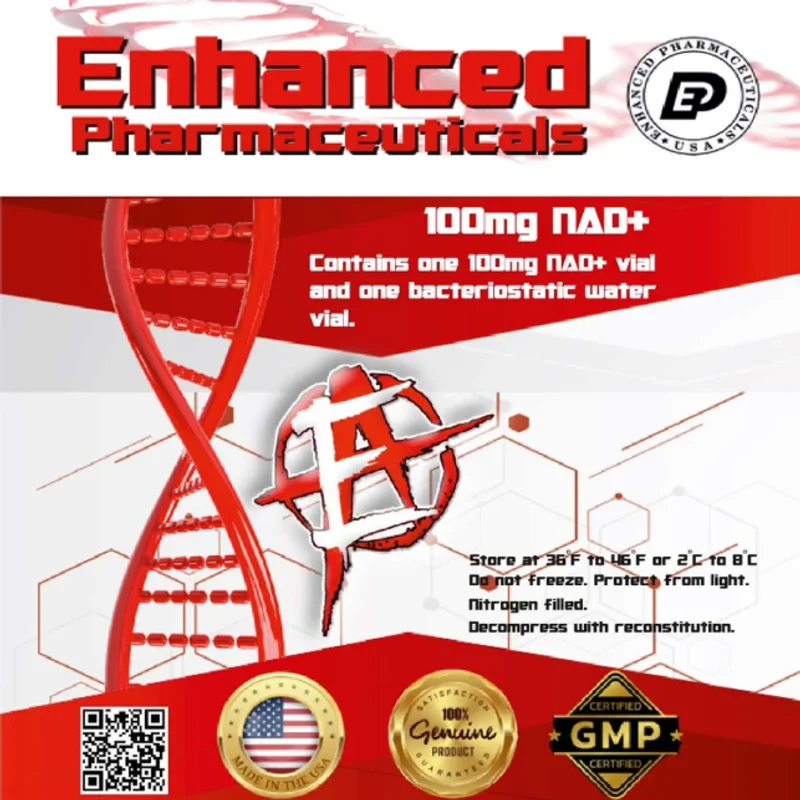
NAD+
Both target mitochondrial energy production - NAD+ as ETC substrate, methylene blue as alternative electron carrier. Complementary mitochondrial research stack.
Pairs Well
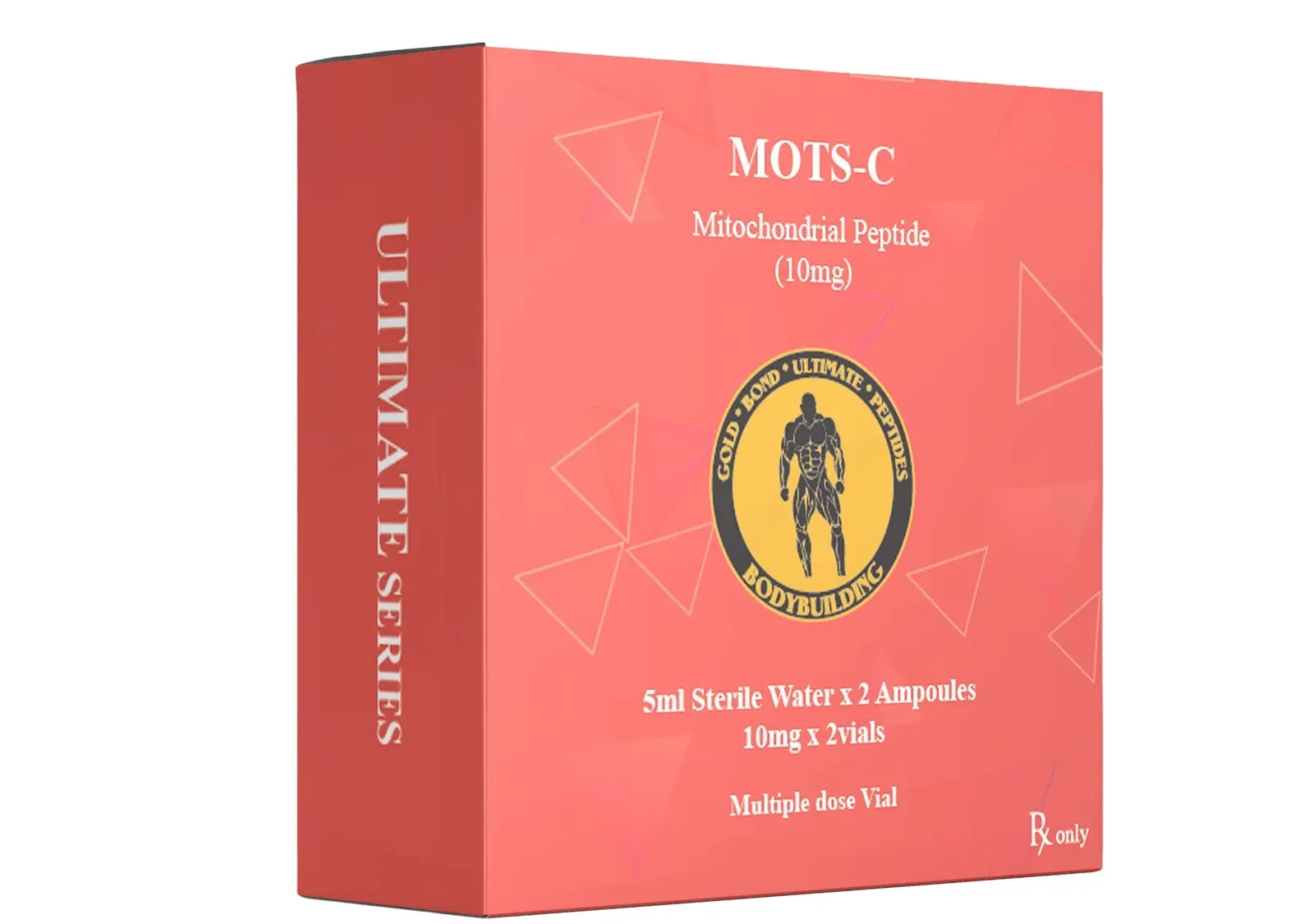
MOTS-C
MOTS-C activates AMPK and mitochondrial biogenesis; methylene blue improves existing ETC efficiency. Different angles on the same organelle.
Full Specifications
Frequently Asked Questions
Why does methylene blue turn urine blue-green?
It's a dye - that's how it was originally identified in 1876. The blue-green urine colouration is harmless and expected at any therapeutic dose. Research subjects are typically informed before starting.
Is it an MAO inhibitor?
Yes, at higher doses methylene blue inhibits MAO-A - meaning it can interact dangerously with serotonergic drugs (SSRIs, MAOIs, triptans). Pep-pedia-style research protocols specifically avoid this combination due to serotonin syndrome risk.
Is it actually a peptide?
No - methylene blue is a small-molecule phenothiazine dye, not a peptide. It's included on the site because it overlaps with peptide-research interests in mitochondrial function and cognitive enhancement.
G6PD deficiency warning?
Glucose-6-phosphate dehydrogenase (G6PD) deficiency is a contraindication for methylene blue - it can trigger acute haemolytic anaemia in deficient research subjects. Screening or exclusion is the published norm.
Pharmaceutical-grade vs USP vs analytical?
Only USP/pharmaceutical-grade methylene blue is appropriate for research. Industrial-grade dye contains heavy metal impurities. Our SwissChems-sourced capsules are research-grade USP material - but the product remains for laboratory use only.
Ready to order
Methylene Blue - SwissChems
₹4,100 · 60 capsules × 10mg · Oral capsule · Pan-India delivery
Add to CartResearch Use Only
This product is intended solely for laboratory and research purposes. It is not intended for human consumption, therapeutic use, or as a food or drug product. By purchasing, you confirm that this product will be used exclusively for legitimate research applications.